The Roots of Healing: From Curandero to Modern Practice
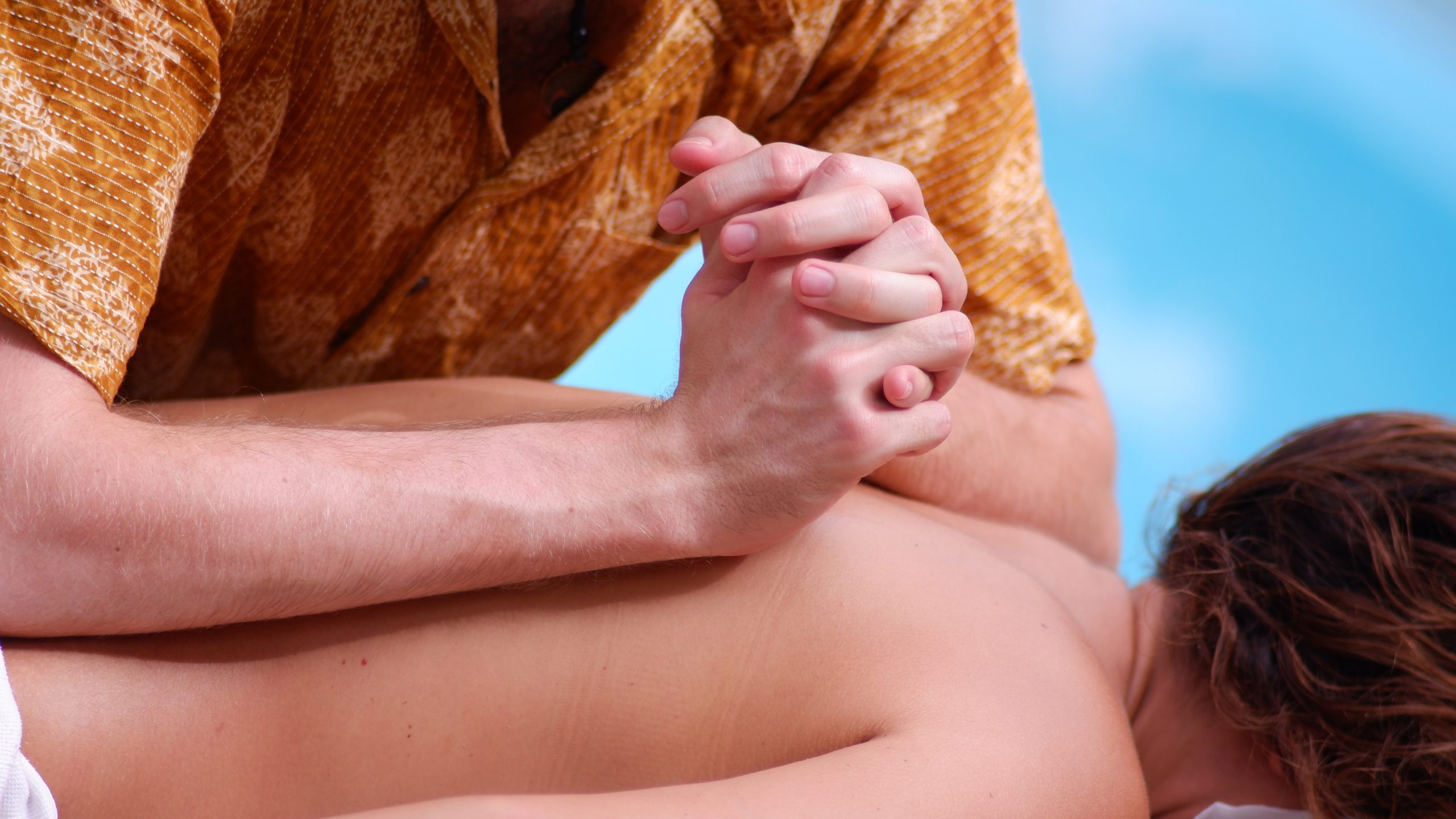
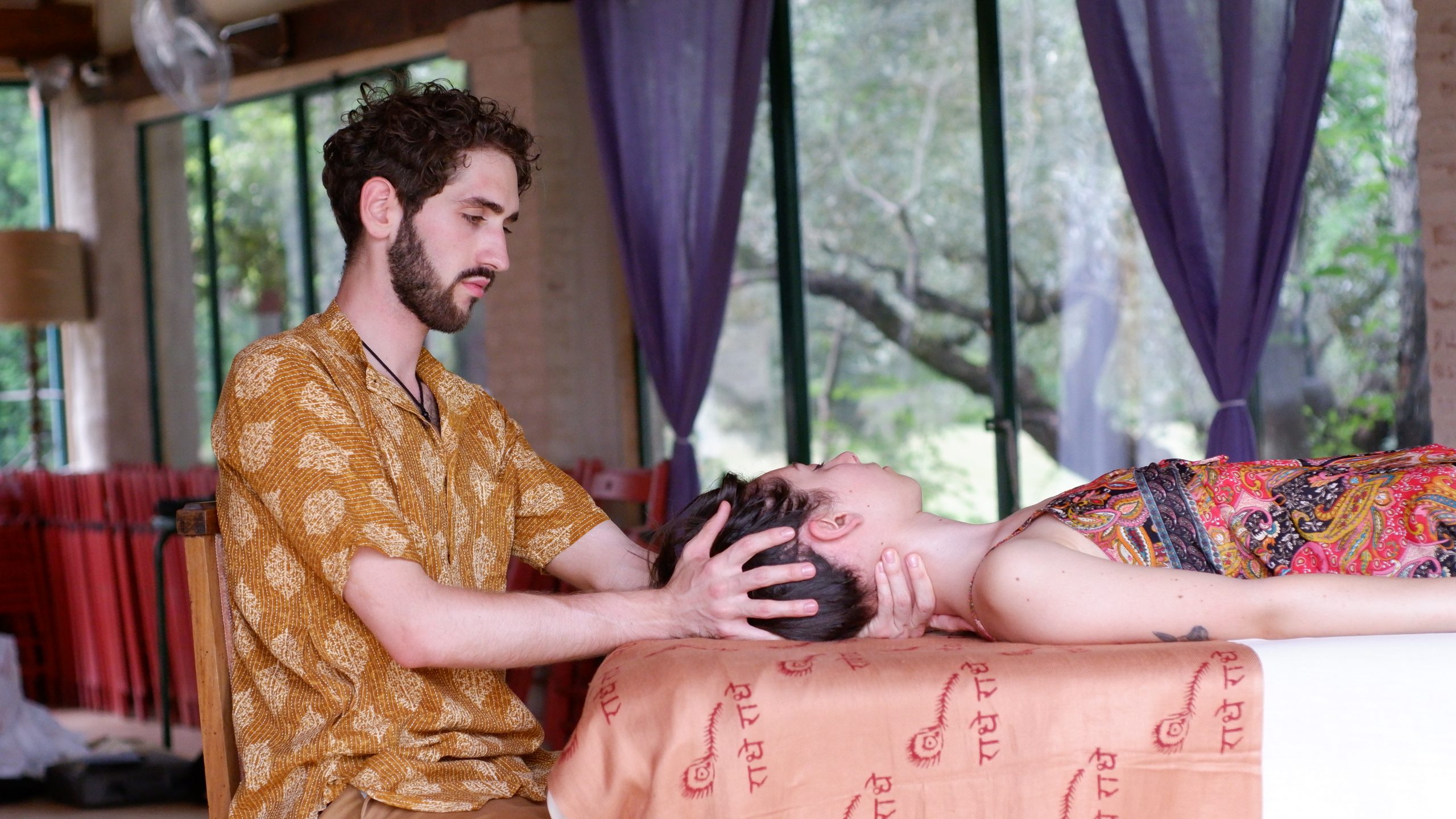
Health is a fundamental component for the development of every human community, from small family groups to more complex state structures. In every society, there has always been a need for individuals capable of healing injuries, limitations, or simply alleviating physical ailments. Ancestrally, the necessity to treat injuries, typically linked to accidents or daily activities, held crucial significance: survival. An individual could not afford to be sidelined from activities that provided sustenance or security within their groups. Today, these groups or societies continue to maintain, alongside their traditions, the figure of someone capable of performing healings, often referred to as “the curandero.” Despite the diversity of cultures that may have maintained contact or, conversely, remained distant throughout history, the presence of the curandero is evident in all of them, particularly in rural areas. This is undoubtedly supported by the effectiveness of their treatments, which are based on traditional methods passed down orally from generation to generation, often within the same families. The recipient of this knowledge was typically the individual with the greatest manual skills. Over time, this familial heritage continues to be enriched by contributions generated from experience, adaptation to the environment, and a strong cultural connection among individuals. Curanderos practice manual therapies aimed at resolving mechanical issues for both people and animals. In isolated communities, they are often shepherds who apply techniques passed down from their ancestors. Generally, despite lacking formal anatomical knowledge, they possess the precise skills to resolve most musculoskeletal problems faced by individuals in their environment, including dislocations, fractures, various types of tendonitis, and spinal pain. The effectiveness and speed of their interventions in addressing physical issues are the basis for their continued activity today, as their traditional remedies remain sought after by diverse cultures across all continents. This situation has not gone unnoticed and has led to increased interest in the figure of the curandero in all its cultural variations and applied methods. This interest primarily arises from the perspective that traditional methods can significantly contribute to health and the real danger that these often millennia-old techniques may fall into oblivion. Jean-Louis Jacquet has had the opportunity to closely learn about these techniques, allowing for their collection as rigorously as possible once their effectiveness has been experienced and demonstrated, so that a modest heritage of reliable resources can be established for therapists interested in utilizing them.
The Evolution of Manual Therapies
Osteopathy and chiropractic are relatively recent techniques, with the first colleges appearing around 1850 in the United States. Although A.T. Still was one of the founders and promoters of osteopathic academic studies in universities, during an interview with French osteopaths in 1998, Richard Still, the great-grandson of A.T. Still, stated, “My great-grandfather was against thrust (cracking) because he said it was not part of osteopathy.” This example illustrates that some controversies in the world of osteopathy and its techniques have existed since the beginning. In fact, limiting ourselves to this specific topic, and based on his experience, after studying osteopathy in England with the best professors in this discipline and practicing in private consultation for 20 years, Jean-Louis Jacquet has observed and compared these manipulations involving thrusts (abrupt movements to align bones and vertebrae) with other local traditional techniques. It was found that the curanderos from the villages in the Alpine region, where he originates, achieved much faster results without the aforementioned thrusts. Instead, they utilized only deep pressure and tracing techniques. In reality, this approach acts on the various networks of muscle chains that may be shortened due to muscle contractions.
Tendino-Muscular Meridians
Continuing his research and observations, during stays in China, Thailand, and Africa, Jean-Louis Jacquet identified similar techniques related to the tendino-muscular meridians (jingjin) that traverse the entire body. Many European and American sinologists (Macciocia, Felixmann, Porkert, Van Nghui) have translated the pathways of jingjin into their respective languages. These chains were described and published 2,500 years ago in the “Ling Shu,” the oldest treatise of traditional Chinese medicine. Many osteopaths of that generation (Struyf-Denys, Busquet, Myers) have described and published their personal systems of muscle chains without referencing these ancient meridians.
Ashi Points and Pulse Diagnosis
To be rigorous and adhere to the clinical reality accumulated in China, the ashi points (trigger points) that traverse these chains have been collected. It can be determined that a jingjin is affected when an average of 4 or 5 painful ashi points is detected along a chain. The ashi points are painful only upon pressure and are located in the deep myofascial layers (translated as “sinews” in English); these points are both diagnostic and therapeutic. When a jingjin is chronically affected, there is another way to diagnose it by palpating the peripheral pulses, specifically the arterial pulse. The Ebers Papyrus (1550 B.C.) and the Edwin Smith Surgical Papyrus contain various testimonies of diagnosis through “pulses.” Ancient Egyptian physicians took pulses at various locations on the body, including the temples, arms, legs, and feet, to assess the state of a patient’s health. This practice, predating even the Yellow Emperor’s Inner Canon, suggests a deep understanding of the circulatory system and its connection to overall well-being. The palpation of the arterial pulse, combined with the identification of ashi points, provides a comprehensive understanding of the energetic and physical state of the individual. This knowledge, gleaned from millennia of observation and practice, allows the curandero and indeed any skilled practitioner, to tailor their approach to the specific needs of the patient, addressing not just the symptoms but the underlying imbalances that contribute to their discomfort.
Healer’ journey: The Development of Ethnic Osteopathy
The journey of understanding the origins of manual therapies is a fascinating one, a path that winds through diverse cultures and ancient traditions. It reveals that the desire to heal, to alleviate suffering, and to restore balance is a fundamental human impulse, expressed in countless ways across the globe. From the rhythmic flow of lomi lomi to the precise manipulations of the Alpine curandero, from the energetic balancing of traditional Chinese medicine to the structural focus of modern osteopathy, a common thread is seen: a deep respect for the body’s innate wisdom and an understanding of the interconnectedness of all things. And as these traditions continue to be explored, as the whispers of the body and the wisdom of our ancestors are listened to, it may be discovered that the true origin of healing lies not in any single technique or philosophy, but in the boundless capacity of the human spirit to connect, to empathize, and to restore. Perhaps the greatest lesson that can be learned from these ancient practices is not just how to heal, but how to listen to the body, to the earth, and to the quiet voice within that knows the way back to wholeness. For in that listening, the key to unlocking the healing potential that resides within us all may just be found. This understanding is at the heart of Ethnic Osteopathy, a therapeutic approach developed by Jean-Louis Jacquet that draws from these diverse traditions to offer a unique and powerful pathway to healing. Ethnic Osteopathy honors the wisdom of the curandero, the precision of osteopathy, and the energetic insights of traditional Chinese medicine, creating a truly multidisciplinary and transformative approach to well-being.
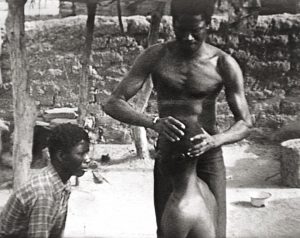
1 2 3
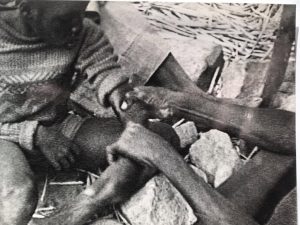
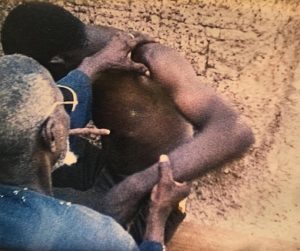
- Radial head dislocation.
- Biceps tendon dislocation.
- Treatment of headaches by releasing musculo-fascial contractures of the skull.
– Pictures by Jean-Louis Jacquet -Burkina Faso, 1982