A Therapeutic Approach Rooted in Traditional Practices 
Ethnic Osteopathy, developed by Jean-Louis Jacquet, is a therapeutic approach that integrates traditional healing methodologies with contemporary osteopathic principles. This practice recognizes the human body as a complex, interconnected system, emphasizing the critical role of Tendino-Muscular Meridians (TMM) in maintaining physiological balance and overall health.
The Significance of Tendino-Muscular Meridians
The TMM, often referred to as “Jin Jing” in traditional Chinese medicine, are essential pathways that facilitate the flow of energy and information throughout the musculoskeletal system. These meridians connect various muscle groups, organs, and joints, creating a network that supports both physical and energetic health. Disruptions within these pathways, resulting from physical trauma, postural imbalances, or chronic stress, can lead to a variety of musculoskeletal dysfunctions, manifesting as pain, stiffness, and reduced mobility.
Therapeutic Differentiation
Ethnic Osteopathy distinguishes itself from conventional osteopathic techniques by adopting a broader therapeutic scope. While traditional osteopathy primarily focuses on the manipulation of bones and joints, Ethnic Osteopathy addresses the intricate interplay of muscles, fascia, and energy flow along the TMM. This comprehensive methodology aims to restore physiological equilibrium by releasing deep-seated muscular tensions and addressing functional limitations.
Patient Management
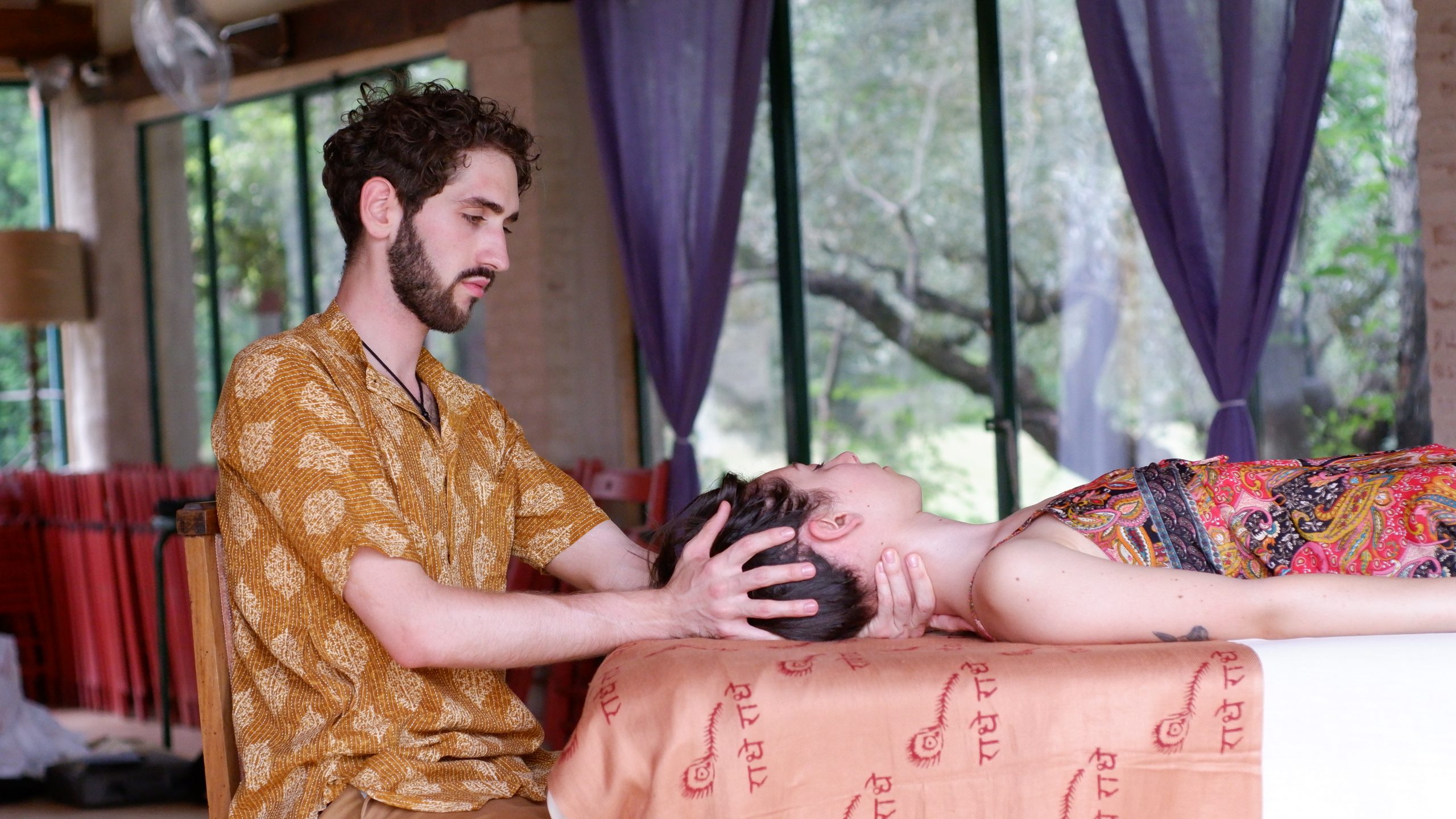
Ethnic Osteopathy emphasizes a patient-centered approach, incorporating detailed assessments and individualized treatment planning. Safety tests are conducted to ensure patient well-being and guide therapeutic interventions, particularly in sensitive areas such as the cervical region.
The therapeutic process addresses both physical and functional limitations while considering the potential influence of chronic stress and emotional factors on musculoskeletal health. By integrating patient education and self-management strategies, Ethnic Osteopathy empowers individuals to actively participate in their recovery, fostering a sense of responsibility and engagement in their health journey.
Methodological Framework
The methodological framework of Ethnic Osteopathy draws upon traditional healing practices, particularly those associated with East Asian medicine, while integrating contemporary osteopathic principles. This synthesis of traditional and modern approaches provides a comprehensive therapeutic model for addressing musculoskeletal dysfunction, allowing for a nuanced understanding of health and recovery.
Practitioners of Ethnic Osteopathy are trained to recognize the signs of energy blockages and physical restrictions, employing techniques that are both diagnostic and therapeutic. This dual focus enables them to tailor their interventions to the specific needs of each patient, ensuring a more effective and personalized treatment experience.
Clinical Efficacy
The therapeutic efficacy of Ethnic Osteopathy is based on its ability to address the underlying causes of musculoskeletal dysfunction rather than merely focusing on symptom management. Clinical outcomes are assessed through objective measures of joint mobility, pain reduction, and functional improvement. This rigorous evaluation process ensures that patients experience meaningful and lasting benefits from their treatment.
Picture of Jean-Louis Jacquet – Sénégal, 1982.