A Zen Approach to Healing 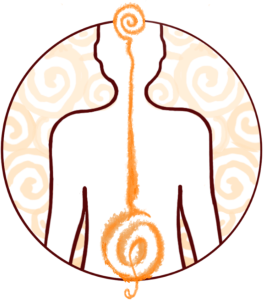
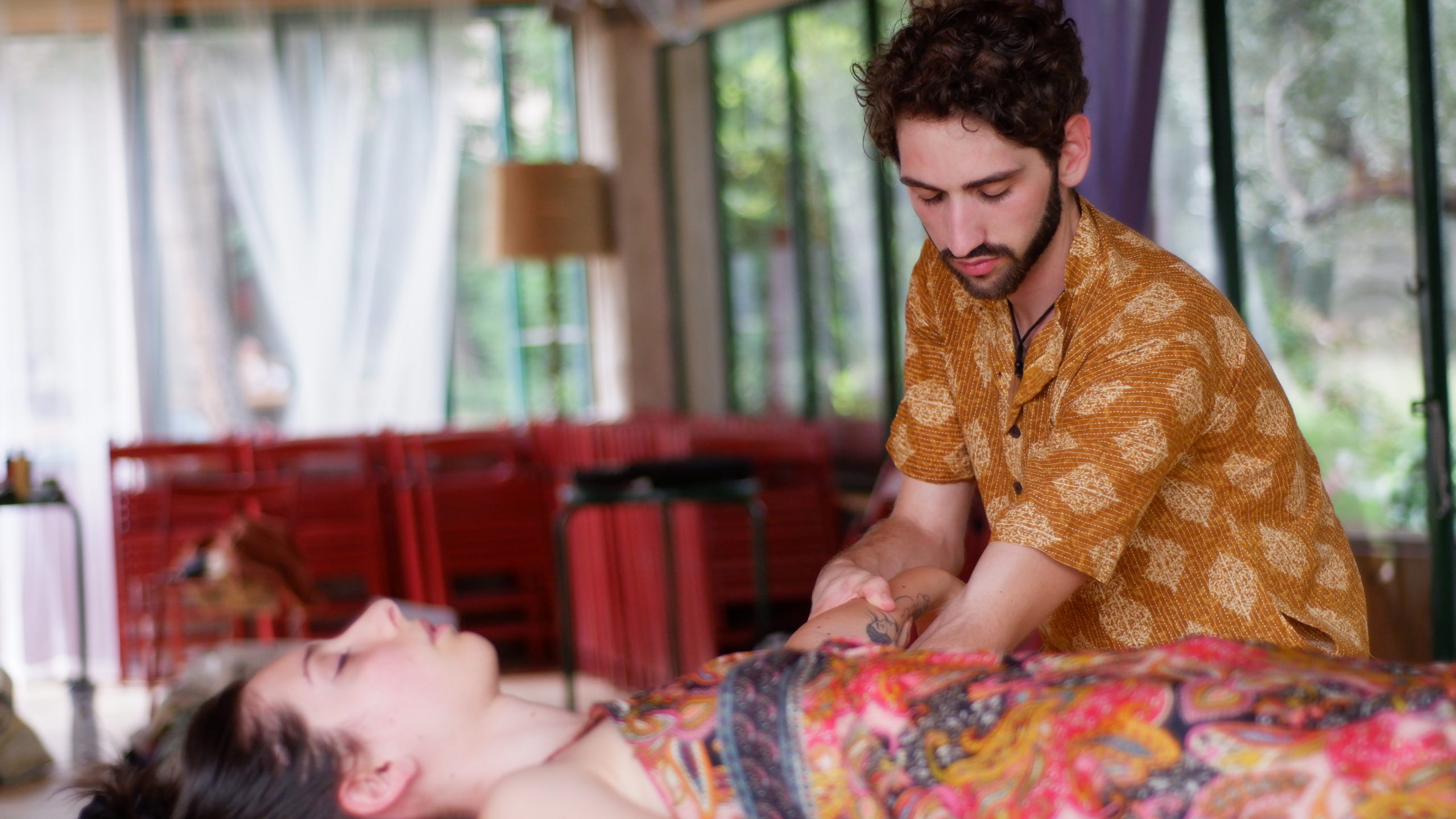
Have you ever felt like your body is holding onto emotions you can’t quite express? The Bones and Psyche is a Zen treatment that offers a fascinating way to explore the connection between our physical selves and our emotional experiences. This innovative approach is all about understanding how our feelings and life events are reflected in our bodies, especially in our posture and skeletal structure. By engaging in this mindful practice, we can work towards restoring balance and enhancing our overall well-being.
Think of your spine as a sturdy tree: it’s strong and flexible, yet it can be vulnerable to the storms of life. Every unexpressed emotion, trauma, or challenge can leave its mark on our posture and health. The Bones and Psyche treatment invites you to explore this connection, helping you recognize how your emotional experiences manifest physically. It’s a journey of self-discovery that can be both enlightening and healing.
The Inoue Muhen Method
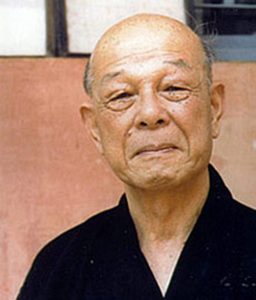
The Bones & Psyche method is deeply rooted in the teachings of Zen Master Inoue Muhen, a revered figure who traveled throughout Europe sharing his unique therapeutic approach. Muhen Sensei understood that our emotions are not merely abstract feelings; they are intrinsically linked to our physical bodies. As he eloquently stated, “The body holds the story of our lives.”
One of the most powerful aspects of the Bones and Psyche approach is its focus on repressed emotions. Many of us tend to push aside negative feelings, which can lead to muscle tension and discomfort. By working with your bones and posture, this treatment provides a safe space to express and release those emotions, paving the way for deep healing. It’s like giving your body permission to let go of what it’s been holding onto.
The Breath as a Bridge
The breath is a central element in Bones & Psyche, serving as a bridge between the physical and emotional realms. It is through conscious, intentional breathing that we can access and release the emotions held within our bodies. This concept resonated deeply with me, as I had previously explored the power of breath through Vipassana.
As Master Muhen explained, “The breath is the messenger of the soul.” It connects us to our deepest selves, allowing us to tap into our innate capacity for self-healing. By learning to listen to the subtle cues of our bodies and emotions, we can cultivate greater self-awareness and resilience.
A Legacy of Healing
Master Muhen’s legacy continues to inspire and touch lives. His teachings have been passed down through generations of practitioners, including my own teacher, Cinzia Roggero, who has developed the Bones & Psyche method.
I would like to share a quote from Master Muhen that encapsulates the essence of Bones & Psyche:
“The body is not separate from the mind. They are two sides of the same coin. When we heal the body, we heal the mind, and when we heal the mind, we heal the body.”
Stories about Inoue Sensei:
The Breath Therapy of Master Inoue Muhen
Engaku Taino, a Master of the Rinzai Zen School, wrote:
“At the end of the 1980s, Master Muhen participated in a sesshin at Scaramuccia and, during a subsequent visit, held a seminar on Breath Therapy. After learning it, I had several opportunities to use it, becoming convinced of its effectiveness in treating many pains and ailments. Although I am not a professional healer, I believe that knowledge of Breath Therapy, regardless of how one chooses to use it, is beneficial for resolving even desperate situations simply. It is essential to know that, whenever possible, having a diagnosis from qualified individuals is crucial to work on the illness or pain and to support the use of other specific medicines.
“This therapy can be practiced when encountering someone with pain due to arthritis or rheumatism. Improvement can vary from one person to another, depending on the severity of their condition, age, and character. It may also happen that, after treating someone for a week, there is no improvement, and then suddenly, without realizing it, they begin to feel better. In some cases, a single application per day may suffice until improvement is observed. It is normal to experience a reaction to the treatment, even with seemingly intensified symptoms such as fever, fatigue, or increased pain. There are cases of severe illnesses, however (advanced cancer, AIDS), where Breath Therapy does not have a direct impact on the pathology; it can only serve to alleviate the patient’s suffering.”
A Zen Master must know and do many things, especially if he is also a mountain guide, as he encounters numerous clumsy students along the way. Beyond the humor, I want to testify to my direct experience of seeing this technique applied and work in traumatic conditions due to sports activities. Their rapid resolution and the consequent reactivation of the recently injured limb were remarkable.
Slipping on a muddy path after a climbing expedition at Circeo, twisting an ankle, or violently hitting a knee; injuring oneself on the first day of a climbing course in Palermo, surrounded by a sea of blue and immersed in the deep green and bright yellow of the orange groves, are true dramas. Yet, wise breaths on the skin at the painful point, perhaps aided by the inevitable arnica and the pungent yet effective poultice of flour and vinegar, work wonders! The next morning, with great caution, more due to the memory of pain than anything else, I’m back on the wall.
These anecdotes are merely symbolic and evocative. They serve the narrative, nothing more. I could cite many others, enough to make the case scientific, if not for the vastness of the examined sample and the successes achieved. That is not the point. No one claims that Breath Therapy is a cure-all, nor that it works exclusively in conjunction with traumatic accidents.
Those who have torn a knee ligament or suffered an open fracture have no alternatives but to manage and contain the pain. This is certainly not to be taken lightly.
I have seen the Master practice this air massage, and its simplicity is disarming. It is a gentle practice that activates the connection between healer and patient, reigniting an ancient flow of endogenous forces; a dormant capital within each of us.
The triangle of forces concentrates in the triangular space defined by the fingers of the hands, taking on the sacredness of an ancient, essential, and pure gesture. Someone more knowledgeable than I, who merely reports facts, may find the right connections with the activation (or reactivation) of chakras, Tanden, various energy points, or contextualize everything within the framework of the inevitable, exotic Eastern philosophies. We at Scaramuccia learned this from Taino, simply and naturally, as was once done in our regions, transmitting empirical knowledge (today we might pompously call it “holistic”) and rituals, in a feminine lineage, from mother to daughter, from grandmother to granddaughter.
We know that Master Muhen practiced Breath Therapy for 5-6 hours a day and that, by healing and alleviating pain, he reached the age of ninety. Whether it was due to lifestyle choices (on which he provided precise guidance regarding breathing, self-massage, and nutrition) or because he was gifted with a surplus of breaths at birth to alleviate the suffering of sentient beings, he accompanied us for a long time despite life’s harsh rules.
Source found by an article of Maria Cristina Garofalo: http://www.naturalismedicina.it/articolo.asp?i=167
The Internal Rhythm of the Therapist
In the practice of Breath Therapy, the internal rhythm of the therapist, which is imprinted in the breath, is marked by the silent recitation of a short mantra or invocation that is dear to us, primarily to maintain a regular cadence rather than to shroud the practice in spirituality and mysticism.
The importance of the method lies in its simplicity of learning and application. There is nothing transcendent about it; if you were to ask Taino about the effectiveness of the therapy, he would respond very Buddhist-like that he does not know why it works; it just does, and that is what matters.
In fact, the important thing is to know and practice a means by which many beings can be helped to feel better and also to rediscover a piece of individual knowledge.
No divine spirit will guide us in the breathing that creates the breath; only the push of the abdomen and being fully present in the gesture, allowing ourselves to be absorbed by it. The illness, the pain, will disperse into the air like the seeds of a dandelion.
Source found by an article of Daniela Zicari: https://www.felicetrasformazionepersonale.it/terapia-del-soffio/
Muhen Inoue