The Silent Language of the Spine
Did you know that each vertebra in your spine speaks its own unique language? By understanding the subtle cues and signals they convey, we can gain invaluable insights into our emotional and physical states.
Emotions are received by the bones through a complex interplay of blood, nerves, muscles and tendons. The 33 vertebrae that make up our spinal column, while individually rigid and powerful, articulate with one another to create a structure that is both mobile and flexible.
Imagine your spine as the sturdy mast of a ship, with your skull as the crowning sail. Just as the mast responds to the forces of wind and weather, so too does our spine reflect the ebb and flow of our inner world.
Each challenge, each unexpressed emotion, leaves its mark on our posture:
C1 (Atlas)
The first cervical vertebra, known as Atlas, is crucial as it supports the skull and enables the movement of the head. This vertebra is particularly sensitive to emotions; it reacts to mental agitation, highlighting the deep connection between emotional states and physical alignment. When an individual experiences emotional turbulence, be it anxiety, fear or stress; Atlas can become misaligned, resulting in physical discomfort.
C2 (Axis)
Axis, the second cervical vertebra, facilitates the rotation of the head. Similar to Atlas, C2 is intricately linked to emotional health and can become rigid in response to feelings of anxiety and tension. When individuals struggle with anxiety, it can create a cascade of physical tension throughout the body, further impacting C2’s functionality.
C3
C3 is associated with communication and self-expression. This vertebra can become inflamed due to internal despair or unexpressed emotions. Such emotions often manifest physically, suggesting that blockages in emotional expression can lead to neck pain or stiffness, reinforcing the connection between emotional health and spinal alignment.
C4-C5-C6
These three cervical vertebrae play a vital role in voice and expression. Each can respond to intense emotional states such as frustration and aggression. When someone feels unheard or restricted, it may result in tension in these vertebrae, causing issues that extend beyond mere physical discomfort to affect communication and social interactions.
C7
Prominent and significant in its structure, C7 is linked to the pituitary gland, influencing consciousness and moral judgment. The emotional equilibrium of a person can significantly affect C7’s alignment, as feelings of self-doubt or moral conflicts can lead to misalignment, reflecting larger issues of emotional and psychological struggle.
Thoracic Vertebrae (D1-D12)
The twelve thoracic vertebrae are intrinsically tied to daily life emotions, such as anger, sadness and anxiety. Each of these vertebrae can reflect the experiences we encounter in our everyday lives. For instance, chronic irritation in D1 may correlate with unresolved feelings of anger, while emotional pressures can create a ripple effect through the thoracic region, leading to various bodily ailments.
Lumbar, Sacral and Coccygeal Vertebrae
The lumbar, sacral and coccygeal vertebrae mirror deeper life experiences and aspects of vulnerability and resilience. They can reflect how we navigate life’s complexities, with each vertebra serving as a repository for experiences that shape our ongoing emotional narrative. Issues in these areas often represent foundational emotional struggles, echoing our histories of trauma and growth.
The Skull, an Ivory Casket of Twelve Pieces
The skull is conceptualized as a protective casket for the brain, with each bone contributing to its distinct functionality. These cranial bones not only protect essential cognitive functions but also reflect emotional states and psychological conditions. When stress or trauma influences the structure of the skull, it can affect areas throughout the body, creating a cascade of emotional and physical implications.
The connection between the cranial bones and the spine underscores the global nature of our being. Just as the skeleton houses the brain and supports our body, so too does it encapsulate our emotional experiences and responses. The interplay between the skull and spine reveals how deeply our physical structure is woven into the fabric of our emotional landscape.
Skull and Spine
A key aspect of the Bones and Psyche treatment is the connection between the 12 bones of the skull and their respective groups of vertebrae. Each of these bones plays a role in how we process emotions and experiences, influencing the structure and functioning of the spine. For instance, the frontal bone, which houses the brain’s creative lobe, can become congested with excessive mental activity, affecting the cervical vertebrae (C1 and C2) that support it. By understanding this connection, individuals can begin to recognize how specific emotions can alter their posture and overall physical health.
The Spine as a Trave of the Self
The spine serves as the “trave of the Self,” bearing witness to our joys, sorrows and everything in between. It can stiffen in response to anger, deform under the weight of grief, bend to absorb a blow, or even break under the strain of immense shock.
Just as each tree has its unique character, some straight and strong like an oak, others delicate and flexible like a birch – so too does each individual’s spine tell a story. It can be upright and rigid, or hunched and knotted, reflecting the unique way in which we navigate life’s experiences.
Body’s Narrative
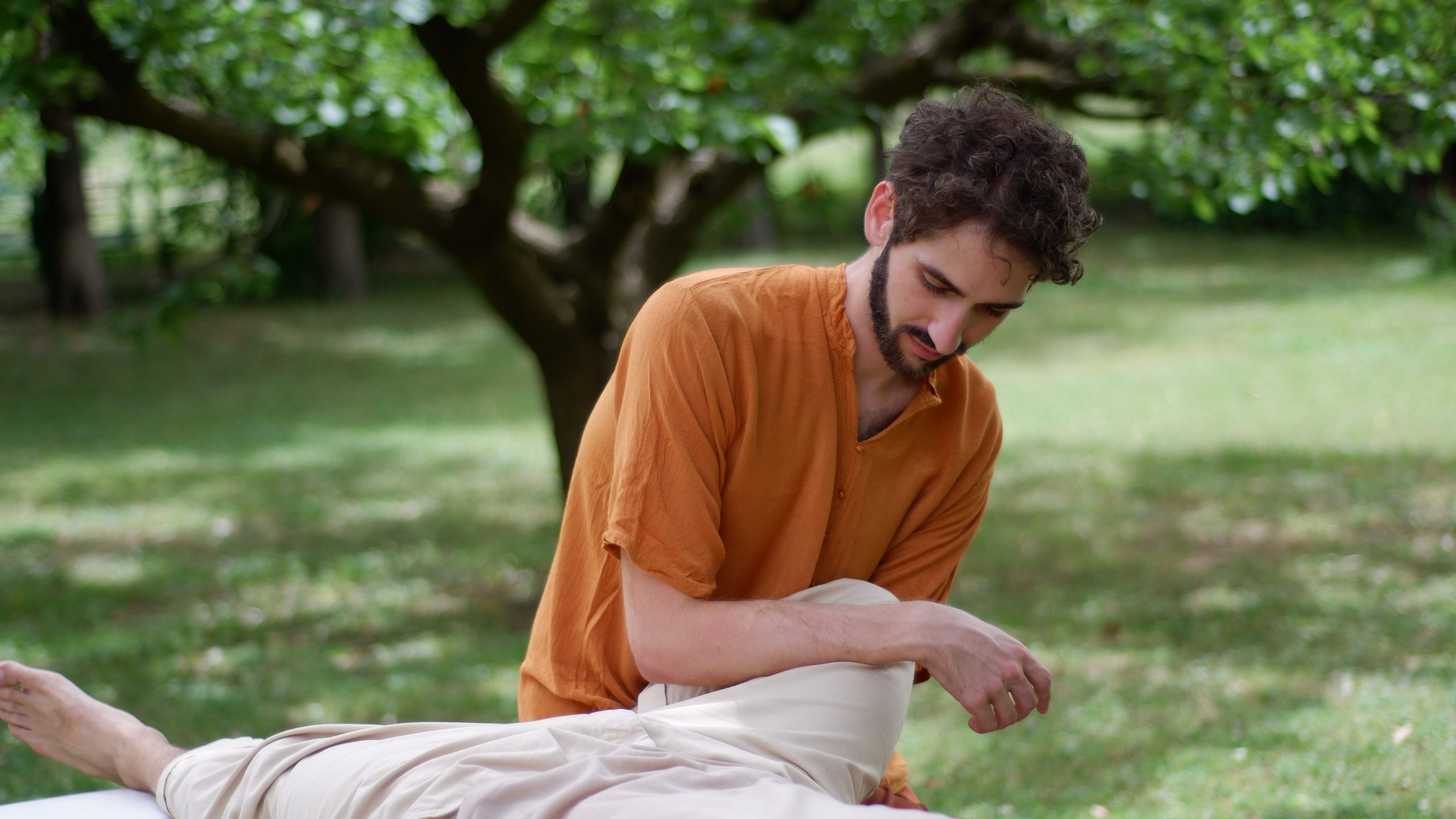
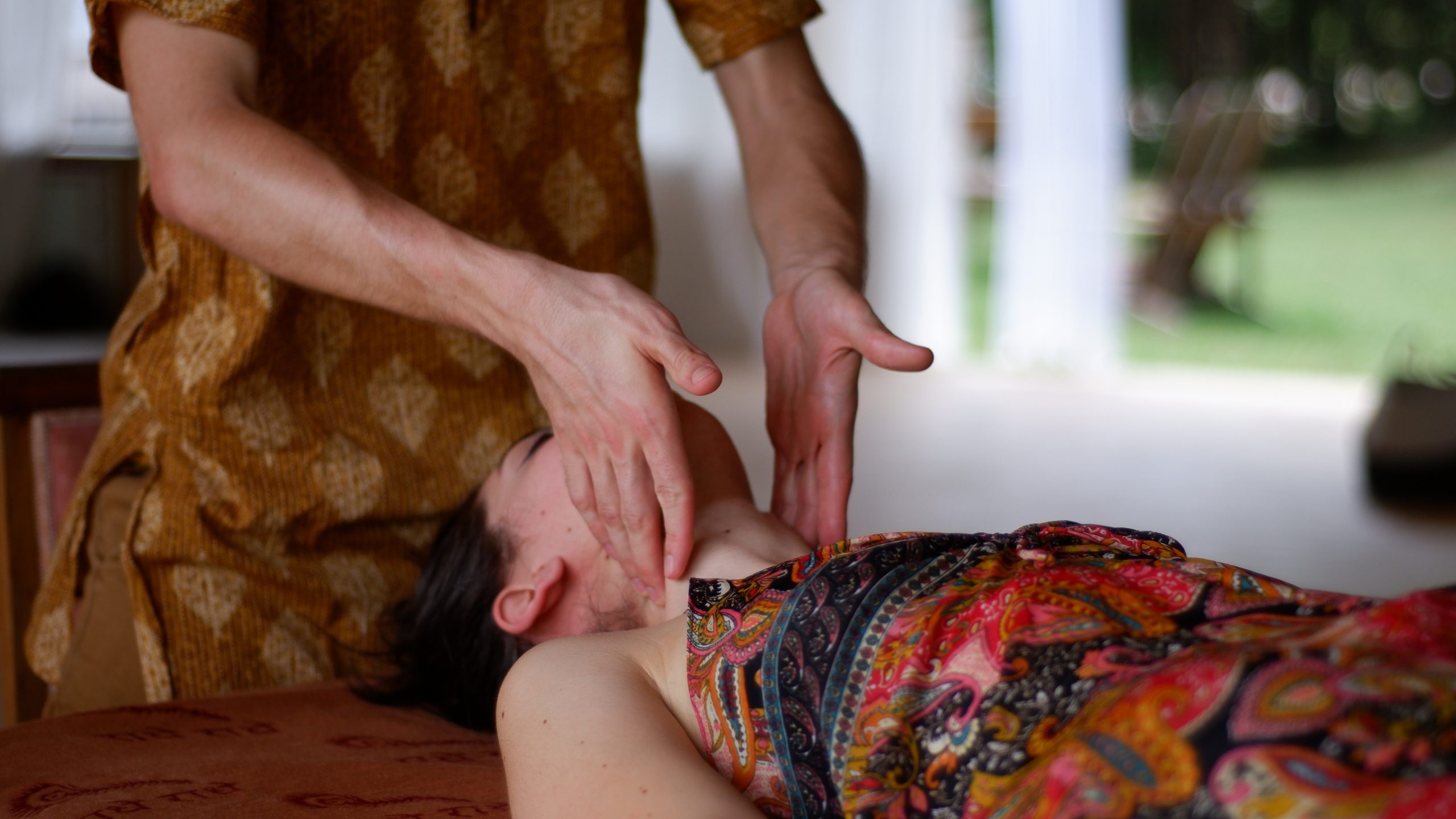
The Bones & Psyche treatment invites us to explore this rich narrative held within our bodies. During a session, the therapist works closely with you to identify areas of tension and stiffness in your posture, recognizing that these physical manifestations often hold the key to understanding underlying emotional patterns.
Through gentle techniques that promote release and awareness, the treatment seeks to restore balance and fluidity to the body. This process not only alleviates physical pain but also creates a safe space to explore and reprocess the emotions associated with those tensions.
Reprocessing Emotions
One of the most remarkable aspects of Bones & Psyche is its ability to access and address repressed emotions. Many of us tend to suppress negative feelings, leading to chronic muscle tension and physical discomfort. By working with the bones and posture, this treatment provides an opportunity to express and release these long-held emotions, paving the way for deep and lasting healing.
Furthermore, Bones & Psyche cultivates a heightened awareness of both the body and emotions. Learning to listen to physical sensations and recognize the emotions they reflect is essential for overall well-being. This holistic approach not only enhances physical health but also fosters emotional resilience and a greater sense of self.
Vertebral Expression
The Bones and Psyche approach also emphasizes the identification of five modes of vertebral expression: inflammation, rigidity, deformation, blockage and pain. Each of these modes reflects a different way that emotional experiences can manifest in the body. For instance, inflammation may indicate unresolved anger, while rigidity could suggest fear or anxiety. By recognizing these expressions, individuals can gain insight into their emotional states and how they impact their physical well-being.
Additionally, the treatment encourages greater awareness of both the body and emotions. Learning to pay attention to physical sensations and recognizing the emotions associated with them is essential for overall well-being. This multidisciplinary approach not only enhances physical health but also promotes emotional resilience and a better quality of life.
A Path to Fulfillment
The Bones and Psyche treatment draws upon the wisdom of ancient traditions while integrating modern knowledge to address the challenges of our time. Through mindful and attentive work, it is possible to confront repressed emotions, restore balance and cultivate lasting well-being. By understanding the silent language of the spine, we can embark on a journey toward greater self-awareness, emotional healing and overall health.