The Applicability of Interoception through the Felt Sense
Felt Sense Definition
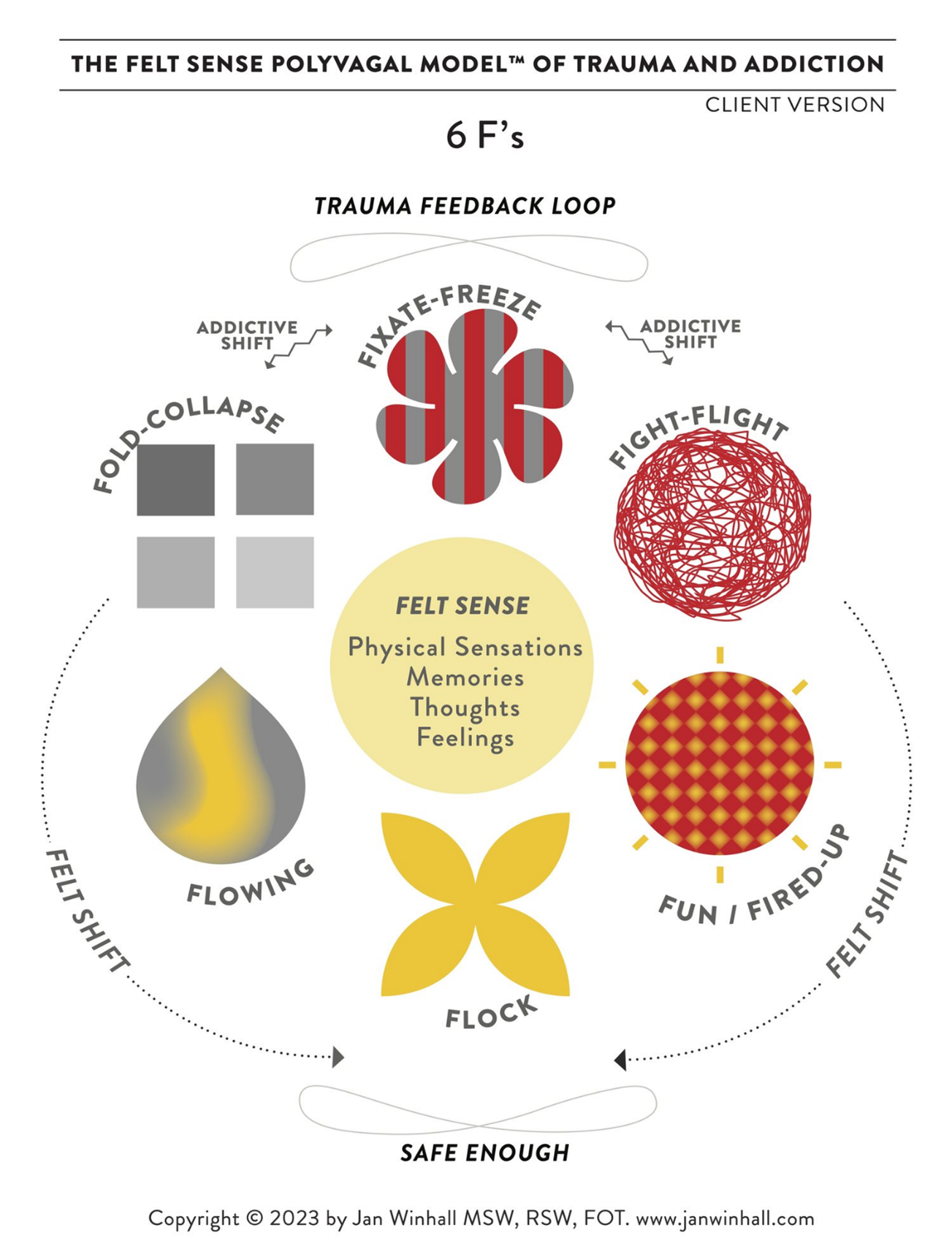
The felt sense is a concept developed in the context of Focusing therapy, conceived by Eugene Gendlin. It refers to a form of body awareness that emerges when a person connects with vague and elusive bodily sensations, often related to emotions, thoughts, and lived experiences. These sensations are not necessarily defined or clear, but represent an inner “wisdom” that can provide important indications of emotional and physical states.
Feeling Quality
The felt sense is characterized by a quality of “feeling” that goes beyond simple physical perceptions. It is a subjective experience that invites the individual to pay attention to what the body communicates, allowing for a greater understanding of their own emotions and needs. This deep awareness is essential for the process of self-discovery and healing.
Interoception Link
The felt sense is closely related to the concept of interoception, as both involve the perception of internal sensations of the body. While interoception refers to the ability to perceive and interpret these sensations, the felt sense invites people to explore and give meaning to what they feel. This process of exploration can lead to greater self-awareness and a deeper understanding of one’s emotions and bodily states.
Emotional Connection
When people are able to identify and describe their felt sense, they can begin to recognize the links between bodily sensations and emotional experiences. This connection is fundamental in massage therapy, as it allows therapists to help patients explore their physical sensations and work on them to promote well-being.
Massage Integration
In massage therapy, the felt sense can be used as a tool to improve the effectiveness of the treatment. Therapists can encourage patients to focus on their bodily sensations during the massage, helping them to identify areas of tension or discomfort and to explore the emotions associated with these sensations. Some ways to integrate the felt sense into massage therapy include:
- Creating a Space for Reflection: Before starting the treatment, the therapist can invite the patient to close their eyes and pay attention to their bodily sensations. This helps to establish a connection with the felt sense and to prepare the patient for the massage;
- Asking Open-Ended Questions: During the treatment, the therapist can ask open-ended questions to help the patient reflect on what they are feeling. For example, “What do you feel in your back right now?” or “What emotions emerge as you work on this area?”;
- Encouraging Exploration: Invite the patient to describe their felt sense, encouraging them to explore the sensations without judgment. This process of exploration can lead to greater self-awareness and emotional release.
Body Awareness
The article by Salvador Moreno López, “The Felt Sense in Psychotherapy Supervision”, highlights the importance of the felt sense as a tool to develop greater body awareness, which can be integrated effectively into massage therapy. This awareness allows therapists to recognize and manage their own bodily sensations, fostering a deeper connection with their clients.
Therapeutic Potential
The potential for integration between massage therapy and body awareness emerges clearly: while massage therapy focuses on physical treatment and tension reduction, attention to “feeling” offers an opportunity to explore and value bodily experiences. This multidisciplinary approach not only enriches the therapeutic process, but also promotes a more instinctive approach where body and mind operate in synergy. Incorporating the felt sense into the practice of massage therapy can therefore enhance the effectiveness of the treatment, facilitating a more complete and conscious experience for clients and strengthening their ability to listen to and understand their own bodily sensations.
Therapist Awareness
Through the practice of body awareness, therapists can differentiate their own experiences from those of clients, thus facilitating a more authentic and receptive therapeutic environment, so that there is no resonance of their own past traumas with those of the patient. In massage therapy, it can be a complementary practice, as it promotes the connection between body and mind, helping both therapists and clients to explore and express their own “feeling”. The multidisciplinary approach suggested by López therefore finds a valid application in massage therapy, where body awareness becomes a fundamental pillar.
The Folio A Journal for Focusing and experiential therapy TRIBUTE ISSUE Celebrating Thirty Years of
Focusing 1978–2008 Volume 21, Number 1, 2008, THE FELT SENSE IN PSYCHOTHERAPY
SUPERVISION, Salvador Moreno López, 226 – 237
https://focusing.org/sites/default/files/legacy/folio/Vol21No12008/FolioTribute2008WEB_r.pdf#page=236