Psychosomatic Dynamics for Comprehensive Healing
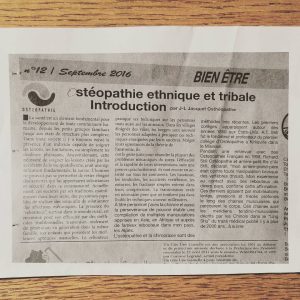
Ethnic Osteopathy, developed by Jean-Louis Jacquet, represents a sophisticated therapeutic modality that integrates ancient healing traditions with contemporary medical practices. This approach is based on the understanding of the human body as a complex, interconnected system, emphasizing the crucial role of Tendino-Muscle Meridians (TMM) in maintaining physiological and emotional equilibrium. By focusing on meridians, Ethnic Osteopathy addresses not only physical pain but also the emotional and energetic imbalances that often accompany it. Practitioners utilize techniques such as acupressure or myofascial release along these meridians to address both physical symptoms and any underlying emotional or energetic blockages.
Emotional Muscle Belts and Character Armor
A central principle of Ethnic Osteopathy is the recognition of the profound interplay between physical and emotional states. Drawing upon the insights of the psychoanalytic work of Wilhelm Reich, this approach addresses the concept of “emotional muscle rings,” chronic muscular tensions that reflect underlying emotional distress. These tensions, often described as an “emotional shield” or “character armor,” can manifest as psychosomatic symptoms, bridging the gap between physical discomfort and emotional imbalance.
Reich’s Character-Analytic Vegetotherapy provides a foundational framework for understanding these dynamics. By highlighting the role of libido and the formation of character armor, this approach underscores the impact of repressed emotions and mismanaged sexual energy on physical health. Ethnic Osteopathy incorporates these principles, utilizing manual techniques and body actings to release emotional blockages and restore the free flow of energy.
Common expressions in everyday language reflect this connection, such as “having a knot in the throat” or “feeling a punch in the stomach.” These phrases illustrate how emotional distress can translate into physical symptoms, indicating that something is amiss in the body. If these discomforts become chronic, the resulting muscle tensions can evolve into organic afflictions.
The Seven Levels of Emotional Muscle Belts
Reich delineated seven body segments, each corresponding to an evolutionary phase and specific emotional expressions, Jean-Louis Jacquet studid how to works on these seven levels of emotional muscle belts, each associated with specific symptoms and muscle tensions:
-
Visual Ring: The perception segment, where tensions can reflect difficulties in seeing or hearing emotional reality. Involves tension in the eye and facial muscles, leading to symptoms such as anxiety, insomnia and headaches.
-
Oral Ring: The expression segment, where tensions can indicate repressed anger or difficulty communicating needs. Associated with the muscles involved in chewing, this level can manifest as bruxism, anger and obsessive states.
-
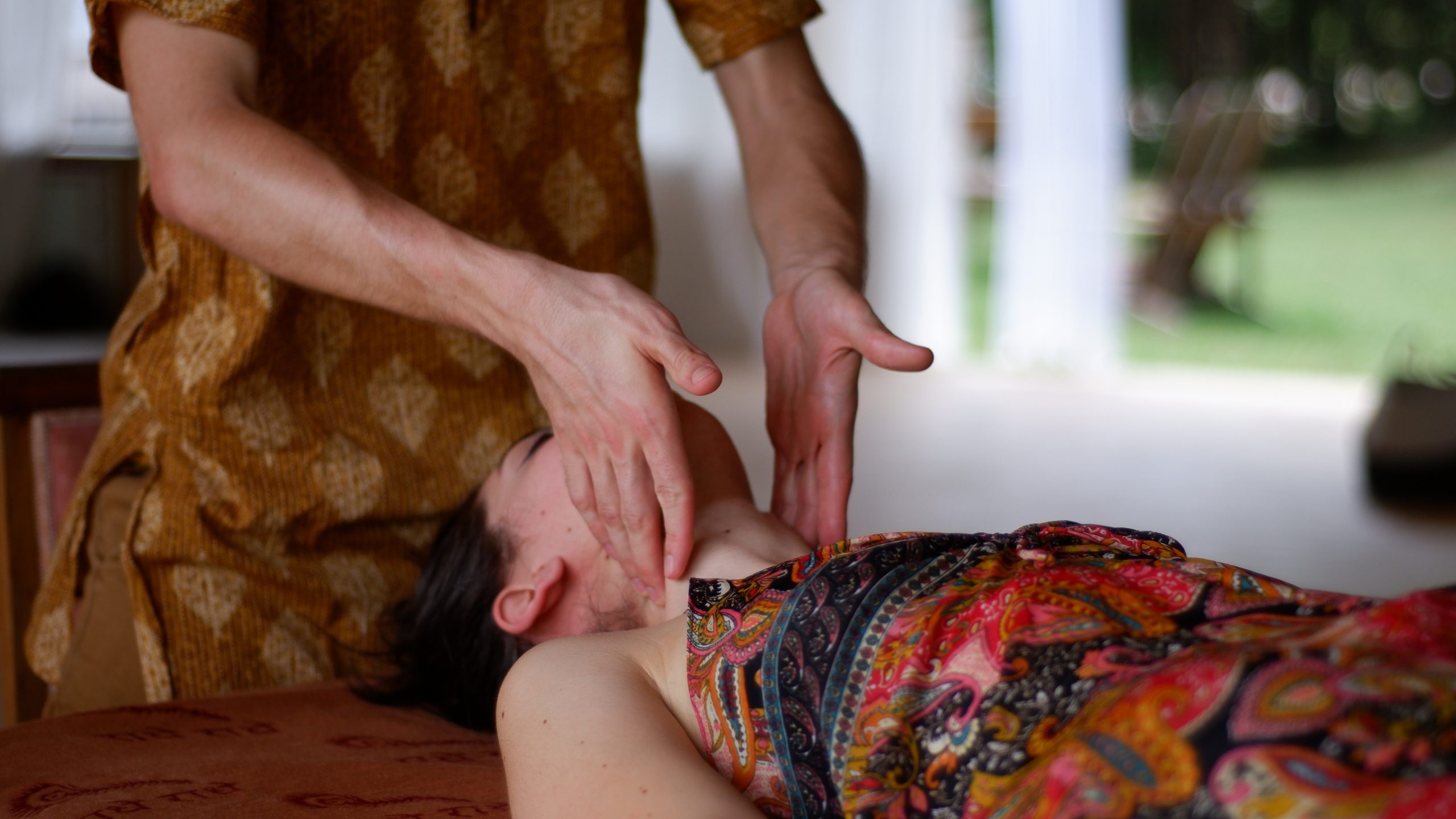
Neck Ring: The connection segment, where tensions can symbolize difficulty connecting with others or asserting opinions. Tension in the neck muscles can lead to cervical pain, thyroid dysfunction and emotional blockages.
-
Chest-Arms Ring: The action segment, where tensions can reflect difficulty acting in the world or expressing strength. Tension in the thoracic region can result in anxiety, depression and respiratory issues.
-
Diaphragmatic Ring: The breathing segment, where tensions can indicate fear, anxiety or difficulty letting go. Chronic tension in the diaphragm can affect breathing and lead to emotional issues such as anger and fear.
-
Abdominal Ring: The deep emotion segment, where tensions can reflect anger, fear, or difficulty managing emotions. Involves the abdominal muscles and can lead to digestive issues, colitis and emotional instability.
-
Pelvic-Legs Ring: The grounding segment, where tensions can symbolize insecurity, instability, or difficulty feeling at home in the body. Tension in the pelvic muscles can result in insecurity, instability and various pelvic health issues.
Techniques for Release
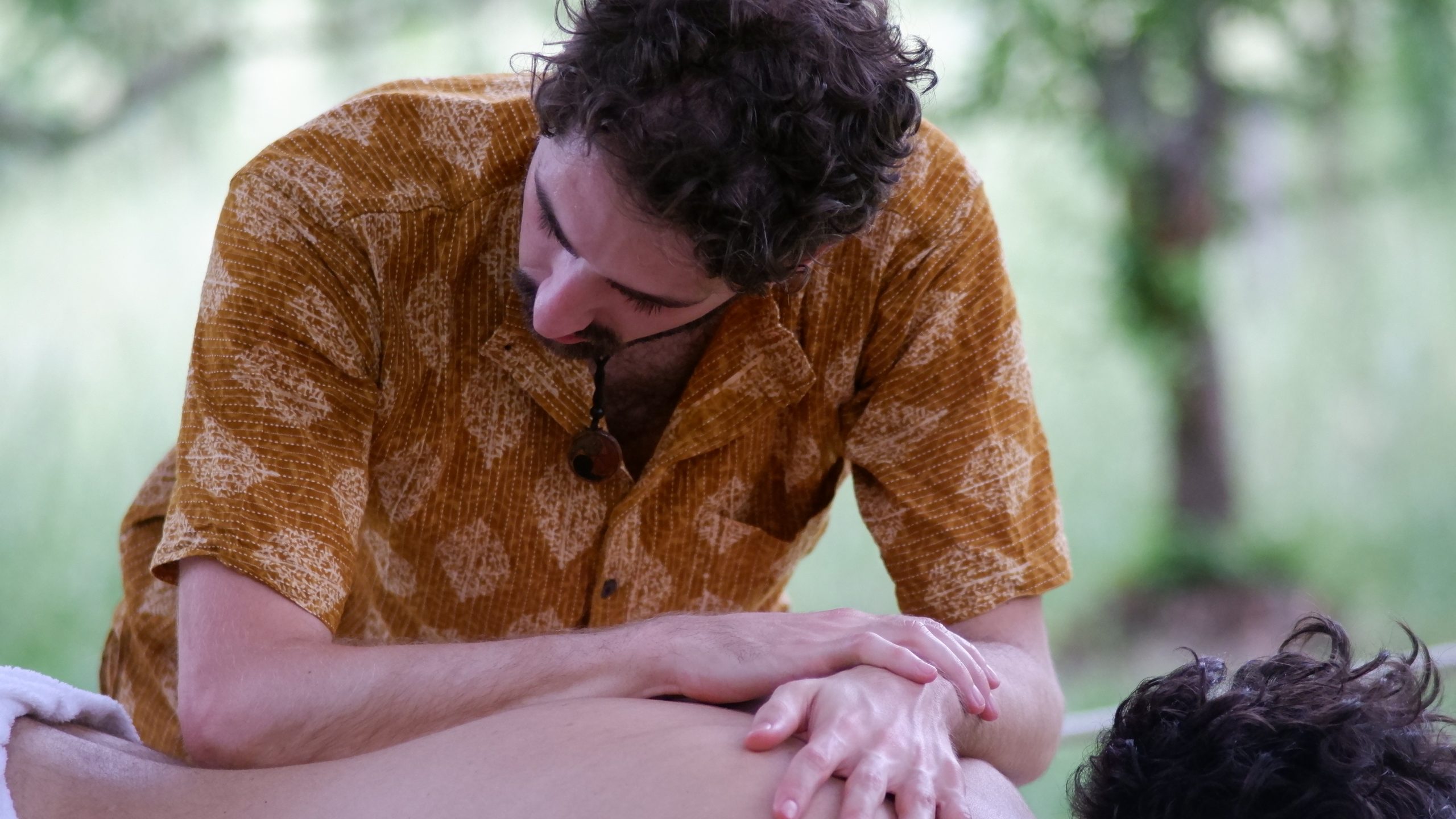
The techniques utilized in Ethnic Osteopathy can be intense and may cause temporary discomfort, but this is often a necessary part of the healing process. Practitioners employ deep tissue manipulation, myofascial release and targeted pressure on specific points along the TMM. While some patients may initially find these techniques painful, they are designed to release deep-seated tension and restore balance within the body. This discomfort is typically short-lived and is often followed by a profound sense of relief and increased mobility. Many patients report feeling lighter and more energized after a session, as the release of tension allows for improved circulation and energy flow.
Societal Influences
Drawing upon the socio-psychological analyses of Freud, Marcuse and Foucault, Ethnic Osteopathy acknowledges the influence of societal forces on individual embodiment and emotional expression. This approach recognizes that societal norms and power structures can shape the experience of sexual energy, contributing to the formation of character armor and emotional muscle belts.
A Path of Growth
Ethnic Osteopathy offers a comprehensive and transformative approach to healing, integrating ancient wisdom with contemporary insights. By addressing the interconnectedness of body, mind, and society, this modality empowers individuals to release emotional armor, restore the flow of life energy, and embark on a journey of self-discovery and well-being. By combining the insights of Vegetotherapy and the understanding of emotional muscle belts, Ethnic Osteopathy provides a comprehensive framework for addressing the complexities of human health.